Every day, in factories, offices, hospitals, construction sites, and public spaces across the United Kingdom, safety signs quietly do their job. They warn, guide, instruct, and reassure, often in a fraction of a second. Far from being mere decorative additions to a wall, workplace safety signs are a fundamental layer of protection that operates constantly, even when no supervisor is present.
Key points
- Safety signs serve as a fundamental, constant layer of protection that warns, guides, and instructs individuals in various professional and public environments.
- Standardised visual language using specific colours and shapes allows safety signs to communicate hazards instantly, transcending language and literacy barriers.
- UK businesses are legally required to comply with health and safety regulations, such as the 1996 Safety Signs and Signals Regulations and the BS EN ISO 7010 standard.
- Safety signage is categorised into specific types (including prohibition, warning, mandatory, and emergency signs) each designed to address different safety needs.
- Beyond direct warnings, consistent signage fosters a positive safety culture and provides essential orientation for visitors or contractors unfamiliar with a site.
- Effective signage requires strategic placement at eye level and regular maintenance to ensure signs remain visible, legible, and reflective of current workplace hazards.
Why Safety Signs Are the First Line of Defence in Any Environment
How clear visual communication helps prevent hazardous situations
One of the most powerful qualities of a well-designed safety sign is its ability to communicate instantly. In busy or high-risk areas, there is rarely time to read lengthy instructions, which is precisely why visual safety signals rely on a carefully considered combination of colour, shape, and standardised symbol. A yellow triangle immediately suggests caution; a red circle with a diagonal line signals prohibition. This visual language crosses barriers of literacy and language, making it accessible to a wide range of workers, visitors, and contractors who may be navigating an unfamiliar environment for the first time.
In the UK, health and safety regulations make this visual communication a legal requirement. The Health and Safety (Safety Signs and Signals) Regulations 1996 establishes the framework within which businesses must operate, and the international standard BS EN ISO 7010 sets out the criteria for standardised safety symbols that can be universally understood. Compliance is not optional, displaying appropriate signage is a duty of care and supports businesses in reducing their legal exposure.

The Different Types of Safety Signs and What They Are Designed to Do
Understanding the distinct categories of signage is essential to implementing an effective safety strategy. Prohibition signs, typically circular with a red border, indicate actions that must never be taken, common examples include no smoking and no entry. Hazard warning signs, displayed in yellow or orange, alert people to potential dangers such as high voltage or slippery floors. Mandatory safety signage, presented in blue, instructs workers to take a specific action, such as wearing protective equipment. Meanwhile, emergency escape signs and safe condition signs (both rendered in green) guide people swiftly and safely towards exits or first aid facilities. Finally, fire safety signs in red ensure that firefighting equipment and evacuation routes are clearly marked at all times.
The Everyday Impact of Proper Safety Signage in Workplaces and Public Spaces
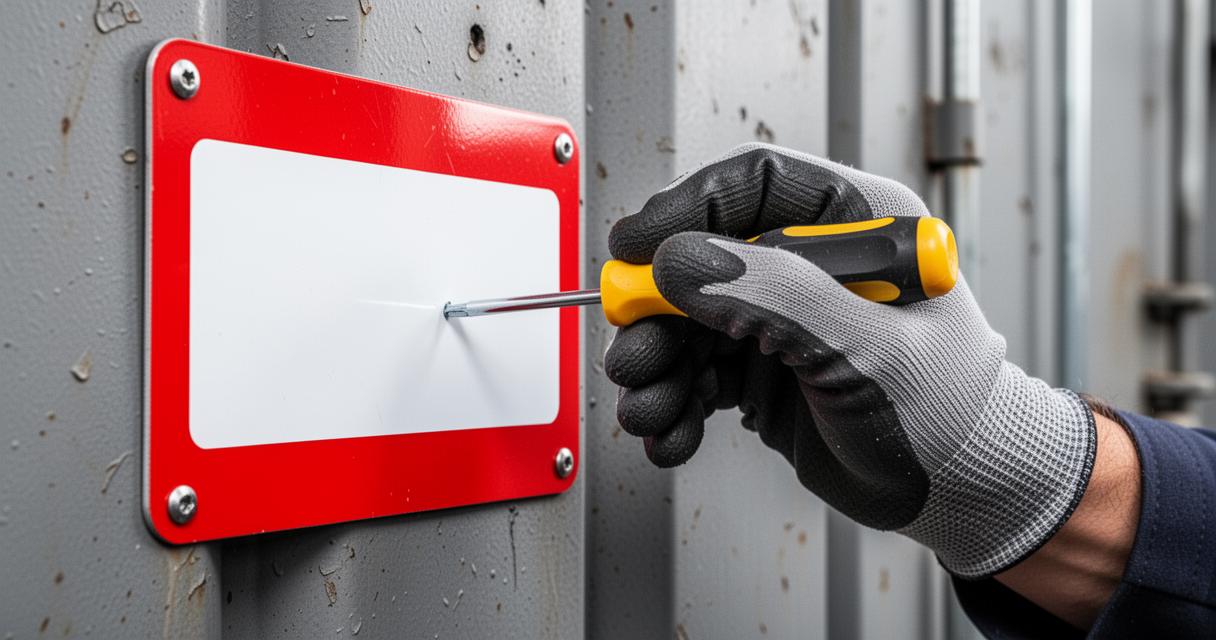
How safety signs shape behaviour and encourage responsible awareness
Beyond their immediate warning function, safety signs play a quieter but equally important role in shaping safety culture. When workers encounter clear, consistent signage throughout their working day, it reinforces the idea that safety is a collective priority. Signage prompts habitual awareness, reminding individuals not only of specific risks, but also of the broader expectation that everyone has a responsibility to act safely. This is particularly valuable during workplace emergency procedures, when stress can impair judgement and clear visual cues become even more critical.
For visitors and contractors arriving at an unfamiliar site, occupational health and safety signage provides essential orientation. Rather than relying solely on verbal briefings, well-placed signs offer continuous guidance throughout the duration of a visit, reducing the likelihood of inadvertent exposure to hazards.
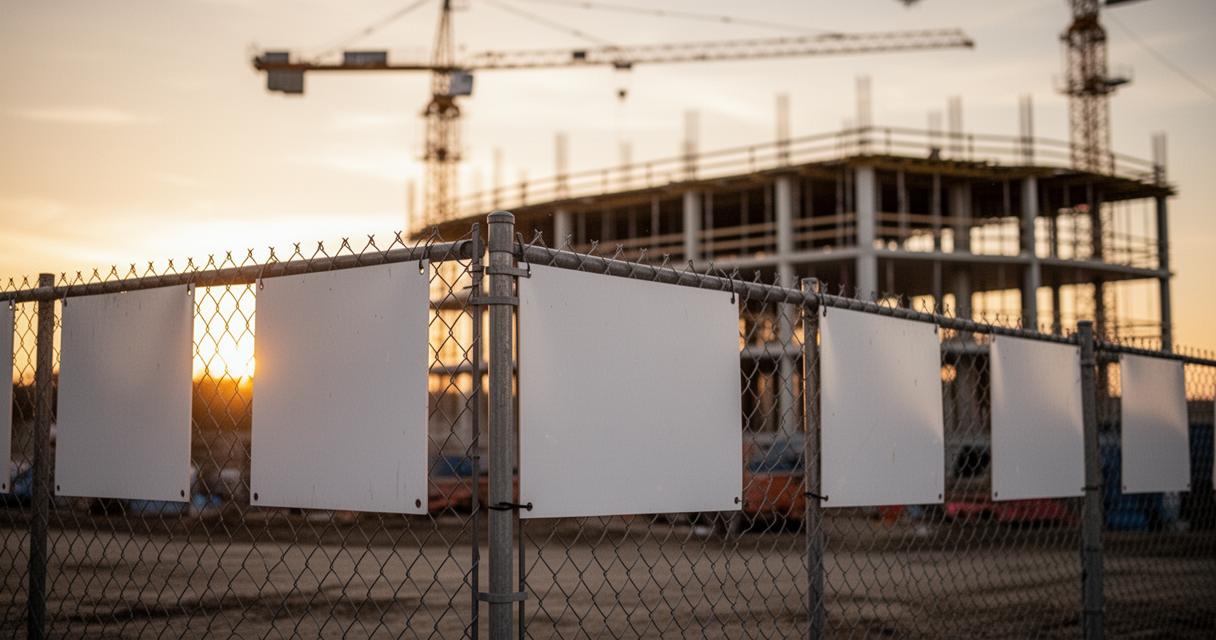
Keeping signage effective: placement, visibility, and regular maintenance
Even the best-designed sign becomes ineffective if it is poorly positioned, obscured, or faded beyond recognition. Signage visibility depends on thoughtful placement, signs must be positioned at eye level, free from obstructions, and adequately lit in all working conditions. A workplace risk assessment should inform not only which signs are required, but also precisely where they need to be situated to reach the right people at the right moment.
Safety sign maintenance is equally non-negotiable. Over time, signs can deteriorate due to exposure to chemicals, UV light, moisture, or physical wear. Regular signage audits allow organisations to identify signs that need replacing, ensure ongoing safety sign compliance with legal standards, and assess whether the signage in place continues to reflect the actual hazards present. Digital safety signs, which can deliver real-time updates and flexible messaging, are increasingly used in dynamic environments where conditions change frequently. Whatever the format, the commitment to keeping signage accurate, visible, and well-maintained is what transforms a legal requirement into a genuinely life-saving measure.

Every day, in factories, offices, hospitals, construction sites, and public spaces across the United Kingdom, safety signs quietly do their job. They warn, guide, instruct, and reassure, often in a fraction of a second. Far from being mere decorative additions to a wall, workplace safety signs are a fundamental layer of protection that operates constantly, even when no supervisor is present.
Key points
Why Safety Signs Are the First Line of Defence in Any Environment
How clear visual communication helps prevent hazardous situations
One of the most powerful qualities of a well-designed safety sign is its ability to communicate instantly. In busy or high-risk areas, there is rarely time to read lengthy instructions, which is precisely why visual safety signals rely on a carefully considered combination of colour, shape, and standardised symbol. A yellow triangle immediately suggests caution; a red circle with a diagonal line signals prohibition. This visual language crosses barriers of literacy and language, making it accessible to a wide range of workers, visitors, and contractors who may be navigating an unfamiliar environment for the first time.
In the UK, health and safety regulations make this visual communication a legal requirement. The Health and Safety (Safety Signs and Signals) Regulations 1996 establishes the framework within which businesses must operate, and the international standard BS EN ISO 7010 sets out the criteria for standardised safety symbols that can be universally understood. Compliance is not optional, displaying appropriate signage is a duty of care and supports businesses in reducing their legal exposure.
The Different Types of Safety Signs and What They Are Designed to Do
Understanding the distinct categories of signage is essential to implementing an effective safety strategy. Prohibition signs, typically circular with a red border, indicate actions that must never be taken, common examples include no smoking and no entry. Hazard warning signs, displayed in yellow or orange, alert people to potential dangers such as high voltage or slippery floors. Mandatory safety signage, presented in blue, instructs workers to take a specific action, such as wearing protective equipment. Meanwhile, emergency escape signs and safe condition signs (both rendered in green) guide people swiftly and safely towards exits or first aid facilities. Finally, fire safety signs in red ensure that firefighting equipment and evacuation routes are clearly marked at all times.
The Everyday Impact of Proper Safety Signage in Workplaces and Public Spaces
How safety signs shape behaviour and encourage responsible awareness
Beyond their immediate warning function, safety signs play a quieter but equally important role in shaping safety culture. When workers encounter clear, consistent signage throughout their working day, it reinforces the idea that safety is a collective priority. Signage prompts habitual awareness, reminding individuals not only of specific risks, but also of the broader expectation that everyone has a responsibility to act safely. This is particularly valuable during workplace emergency procedures, when stress can impair judgement and clear visual cues become even more critical.
For visitors and contractors arriving at an unfamiliar site, occupational health and safety signage provides essential orientation. Rather than relying solely on verbal briefings, well-placed signs offer continuous guidance throughout the duration of a visit, reducing the likelihood of inadvertent exposure to hazards.
Keeping signage effective: placement, visibility, and regular maintenance
Even the best-designed sign becomes ineffective if it is poorly positioned, obscured, or faded beyond recognition. Signage visibility depends on thoughtful placement, signs must be positioned at eye level, free from obstructions, and adequately lit in all working conditions. A workplace risk assessment should inform not only which signs are required, but also precisely where they need to be situated to reach the right people at the right moment.
Safety sign maintenance is equally non-negotiable. Over time, signs can deteriorate due to exposure to chemicals, UV light, moisture, or physical wear. Regular signage audits allow organisations to identify signs that need replacing, ensure ongoing safety sign compliance with legal standards, and assess whether the signage in place continues to reflect the actual hazards present. Digital safety signs, which can deliver real-time updates and flexible messaging, are increasingly used in dynamic environments where conditions change frequently. Whatever the format, the commitment to keeping signage accurate, visible, and well-maintained is what transforms a legal requirement into a genuinely life-saving measure.